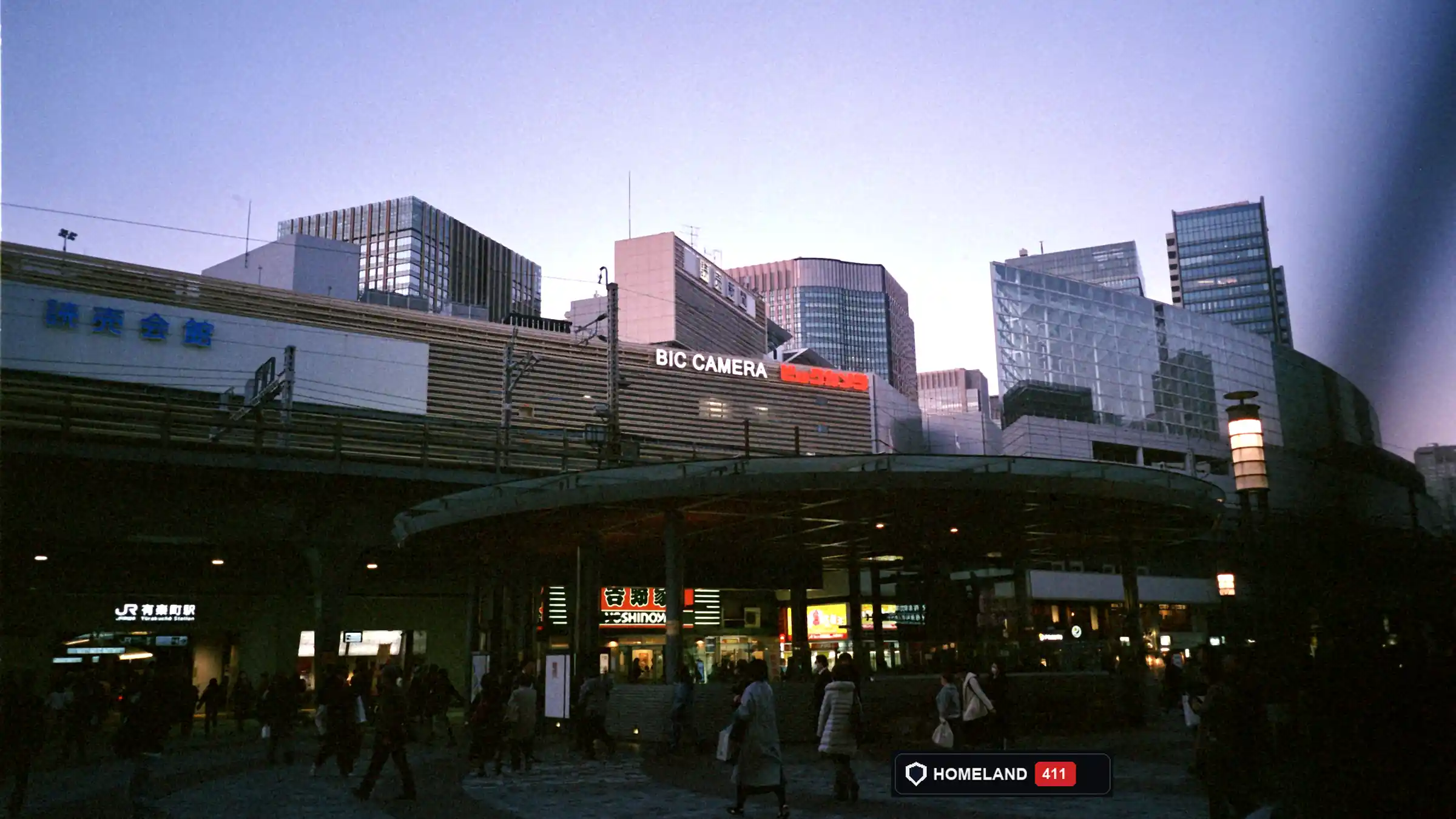
Somewhere around 154,000 records belonging to customers of the Japanese electronics chain Bic Camera and its group retailers Kojima and Sofmap were kept in a part of Bic Camera’s own systems that an outsider had been able to get into by the start of this month, in what was disclosed on Friday as a possible Bic Camera data breach, according to the Japanese security news site Security Measures Lab, which carried the details of a joint notice the three companies released that day.
The exact count of 154,034, which was made up of 152,874 records on corporate customers and 1,160 delivery records, was described as a risk of leakage rather than a confirmed leak, since no trace of the data being carried outside had been found, according to that same report.
The notice was also picked up early on Sunday by the threat intelligence account Dark Web Intelligence, which wrote in a post on X that “the group found no evidence data was taken” and linked to the PDF posted on Bic Camera’s website.
What the Bic Camera data breach notice covers
The delivery records at issue held names, addresses, phone numbers, the products that had been delivered and the dates of delivery, but did not include email addresses or credit card and other payment details, according to the breakdown published by Security Measures Lab.
The much larger set of corporate records was said to have been limited to the email addresses and names of contact people at business customers, with no transaction histories, amounts or bank account details among them, according to that same breakdown.
The split between the three retailers left Bic Camera with 88,772 of the records, of which 921 were deliveries and 87,851 were corporate entries, while Kojima accounted for 43,037 and Sofmap for 22,225, according to the tally carried by the English-language security blog SmartScope.
The intrusion traces were first spotted on November 1, after which the affected system was shut down and an investigation was begun, with a review of what was stored in the compromised data area starting on November 11 and personal data being confirmed there a week later, according to the timeline SmartScope published.
The preliminary reports to Japan’s Personal Information Protection Commission and other authorities were said to have been filed between November 24 and November 26, ahead of Friday’s announcement, according to that same timeline.
The possibility that the information had been viewed or acquired was not being ruled out by the companies, which assessed the case as a risk of leak even with no sign of the data leaving the system, according to SmartScope’s English rendering of the notice.
The method used to get in was not described, and neither ransomware nor any named attacker group was mentioned in the announcement, according to both Security Measures Lab and SmartScope.
A second incident after the Arara email leak
The notice on Friday was the second in less than a month to touch customers of the three retailers, which had said on November 2 that about 14.9 million records, including email addresses, may have been exposed after unauthorized access at Arara, the contractor that handled their email deliveries, according to ITmedia News.
That same count was later raised, and a follow-up report on November 6 was said to have put the number of records confirmed as leaked across the three companies at 15,204,757, according to the Japanese trade outlet Netshop Impress.
The intrusion into Bic Camera’s own system was uncovered in part during a wider security review that the group carried out after the Arara breach came to light, and it was being dealt with as a separate case, according to Security Measures Lab.
The Arara breach had by then been tied to email leaks at other Japanese organisations, among them the game publisher SEGA and the City of Osaka, as was reported earlier this month by Homeland411.
The customers and business partners whose records were in the system were to be sent individual notices, and a free-dial line for individual Bic Camera customers, 0120-615-777, was to be staffed from 10:00 to 19:00 Japan time, according to the contact table reproduced by Security Measures Lab.
The other systems run by the group were said to have shown no sign of being affected as of Friday, with the closing of possible intrusion routes and further reviews of both in-house and outsourced systems listed among the steps taken, according to that same report.